Educate
Climate learning rooted in students’ lives, strengthened through stories, creativity, and community.
Education for a Changing Climate
We partner with schools and districts to develop interdisciplinary, standards-aligned learning that connects climate change with students’ lives. Through literature, storytelling, the arts, and place-based exploration, we help educators and students build understanding, explore their relationships with a changing climate, navigate climate emotions, build hope and agency, and empower young people to become not only the leaders of tomorrow—but the leaders of today.
While climate change is global, students encounter it through the places, relationships, and experiences that shape their lives. At paleBLUEdot, we believe meaningful climate education is designed collaboratively and grounded in the people, land, and cultures of each school community.
From educator workshops and curriculum development to facilitated student experiences, school-wide initiatives, and intergenerational learning, we develop each offering with you to reflect your students, instructional goals, and school priorities.
Explore the services and programs below to discover what a personalized approach to climate education can look like in your school.
educator and classroom learning
Professional Development
Teach climate change with confidence and care.
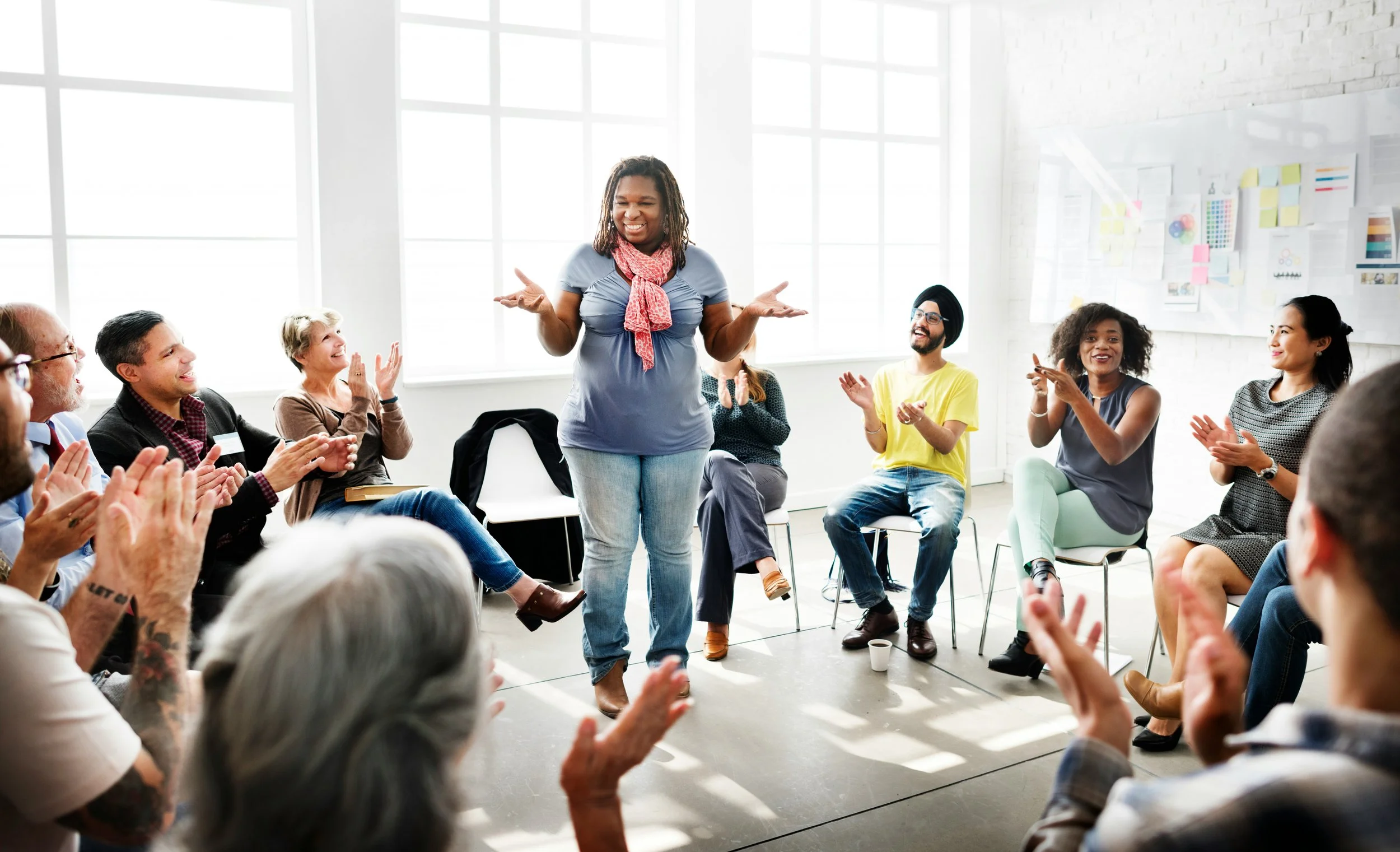
We design professional learning that helps educators connect climate topics with their subjects, respond to students’ questions and emotions, and plan meaningful learning experiences. Educators explore practical strategies and resources they can adapt for their classrooms.
School and district presentations
Teacher workshops and collaborative planning
Instructional coaching and implementation support
Classroom Curriculum and Student Programs
Connect climate learning with students’ lives.
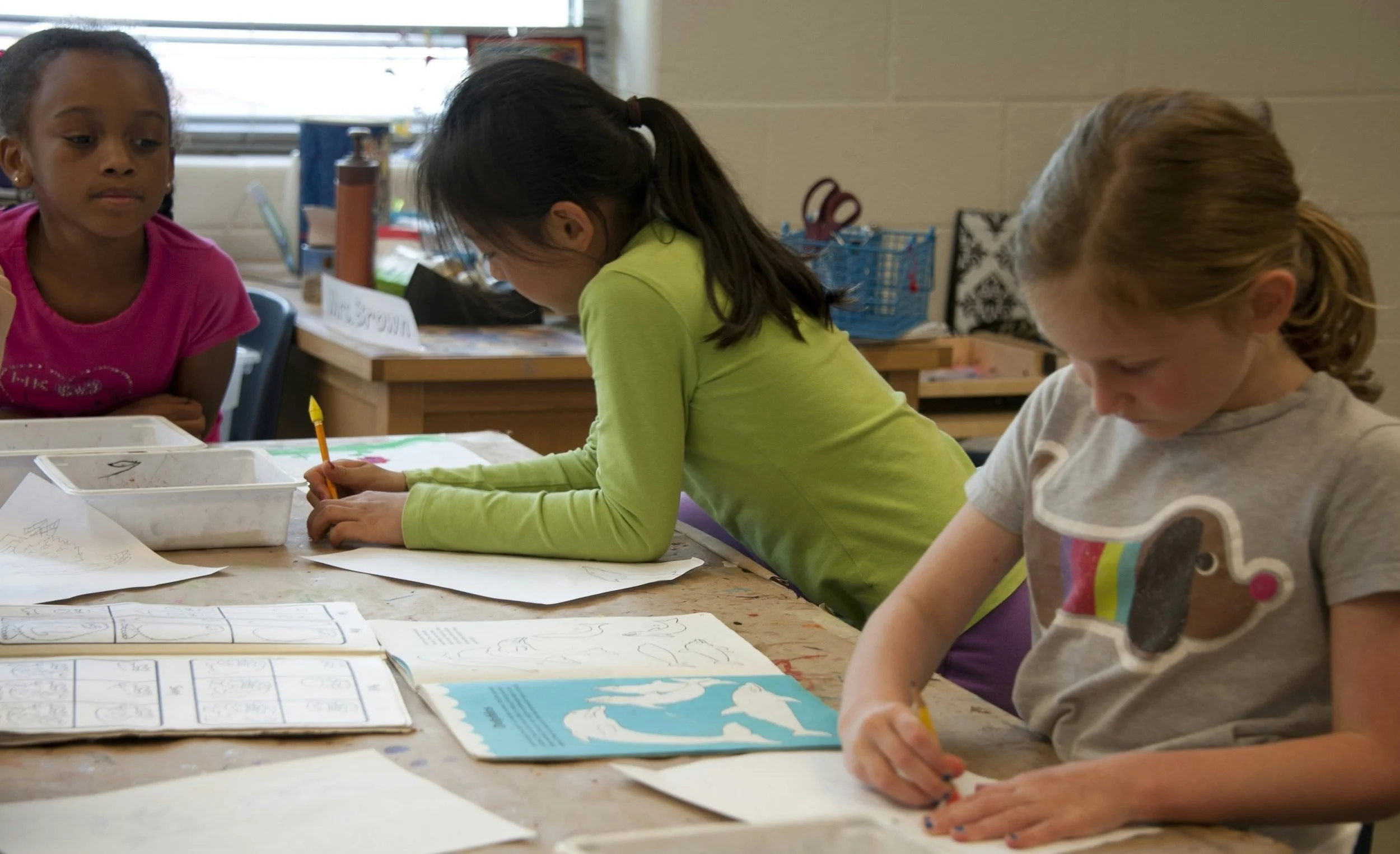
We collaborate with educators to develop climate lessons and units and facilitate learning directly with students. Together, we identify goals, connect activities with relevant standards, and adapt resources to your students and school community. Planning, assessment, and implementation support help educators carry the learning forward.
Custom lessons, units, and teaching resources
Facilitated classroom lessons and student workshops
Climate storytelling and arts-based projects
Assessment design and ongoing instructional support
School Culture and Climate Engagement
School-Wide Culture and Well-Being
Connect climate learning with students’ lives.
We collaborate with educators to develop lessons and units—and work directly with students to bring learning to life. Through facilitated workshops, classroom lessons, and collaborative projects, students explore climate questions through literature, storytelling, the arts, and local places. Activities are adapted to your students’ ages, relevant standards, and instructional goals.
Custom lessons, units, and teaching resources
Facilitated classroom lessons and student workshops
Climate storytelling and arts-based projects
Collaborative planning and implementation support
Intergenerational Learning
Bring generations together through shared learning.
We design experiences that connect students, families, and community members through stories, local knowledge, and collaborative projects. Participants learn from one another while exploring environmental change and ways to care for the places they share.
Family and community learning events
Intergenerational storytelling and oral histories
Projects exploring local places and environmental change
Collaborative stewardship activities
Explore Classroom Programs
These programs offer starting points for learning through stories, local places, and creative expression. Each can be facilitated directly with students, developed into curriculum for educators to implement, or explored through professional learning. We work with you to choose an approach that fits your students, schedule, and goals.
Contact us to learn more about creating climate education that honors the experiences of your students and staff and responds to your community’s unique needs.
Finding HOPE in Stories
LITERATURE AND REFLECTION | K–12
Students explore climate themes, emotions, and possibilities for action through literature and storytelling. Guided by the HOPE Framework, they discuss different perspectives, connect stories with their own experiences, and develop an informed, age-appropriate response.
Connecting to Our Living World
NATURE AND CONNECTION | PK–5
Students build relationships with animals, trees, habitats, and one another through stories, observation, and outdoor exploration. They share discoveries, express feelings, and practice caring for the places they know. Activities nurture curiosity, ecological understanding, and opportunities to care for the living world.
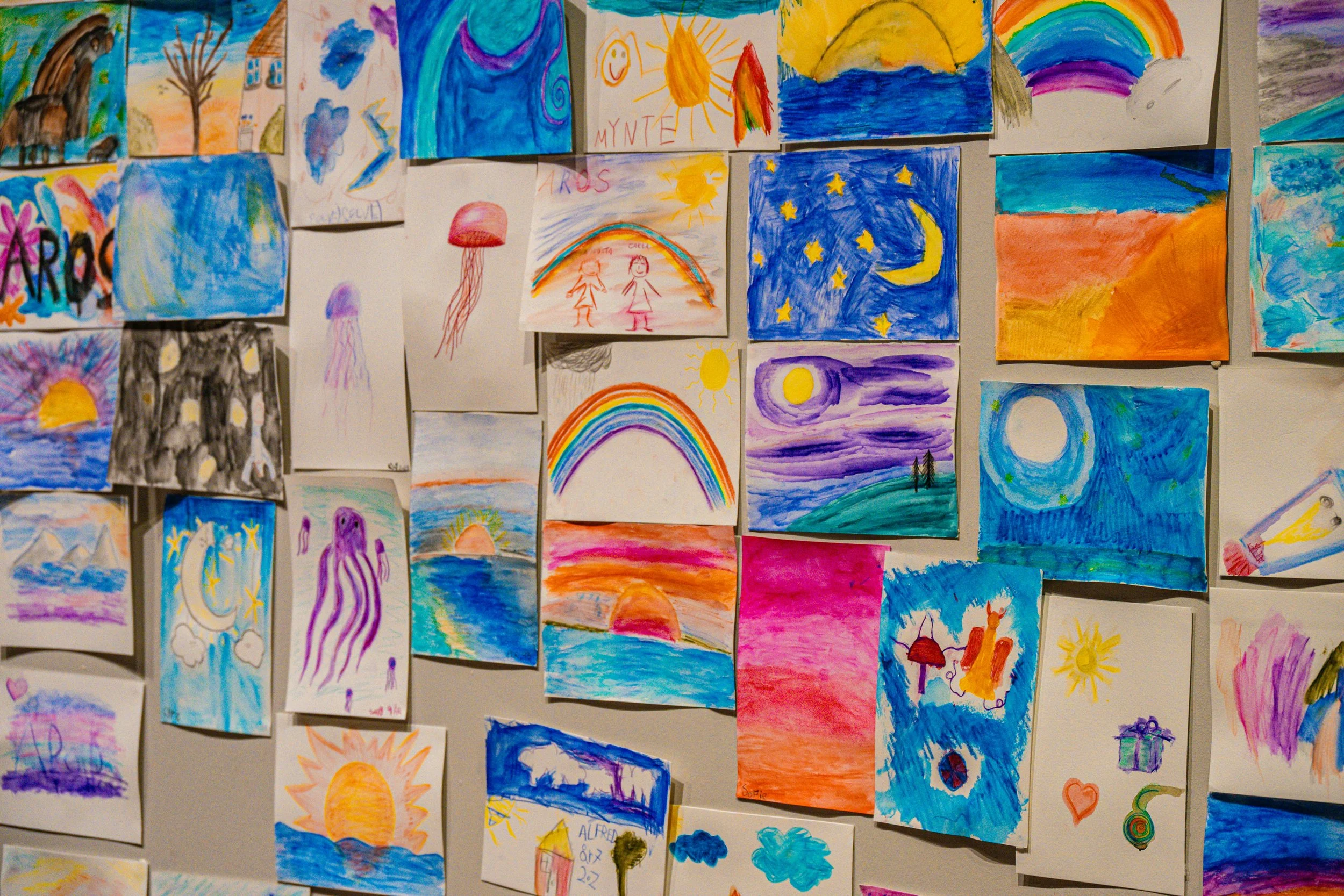
Climate ART-ivists
VISUAL ART AND EXPRESSION | K–12
Students investigate climate questions and express their experiences, concerns, and hopes through painting, collage, sculpture, or collaborative artwork. Artist statements connect their creations with what they have learned. Classroom or community exhibitions invite conversation and share students’ visions for a sustainable future.
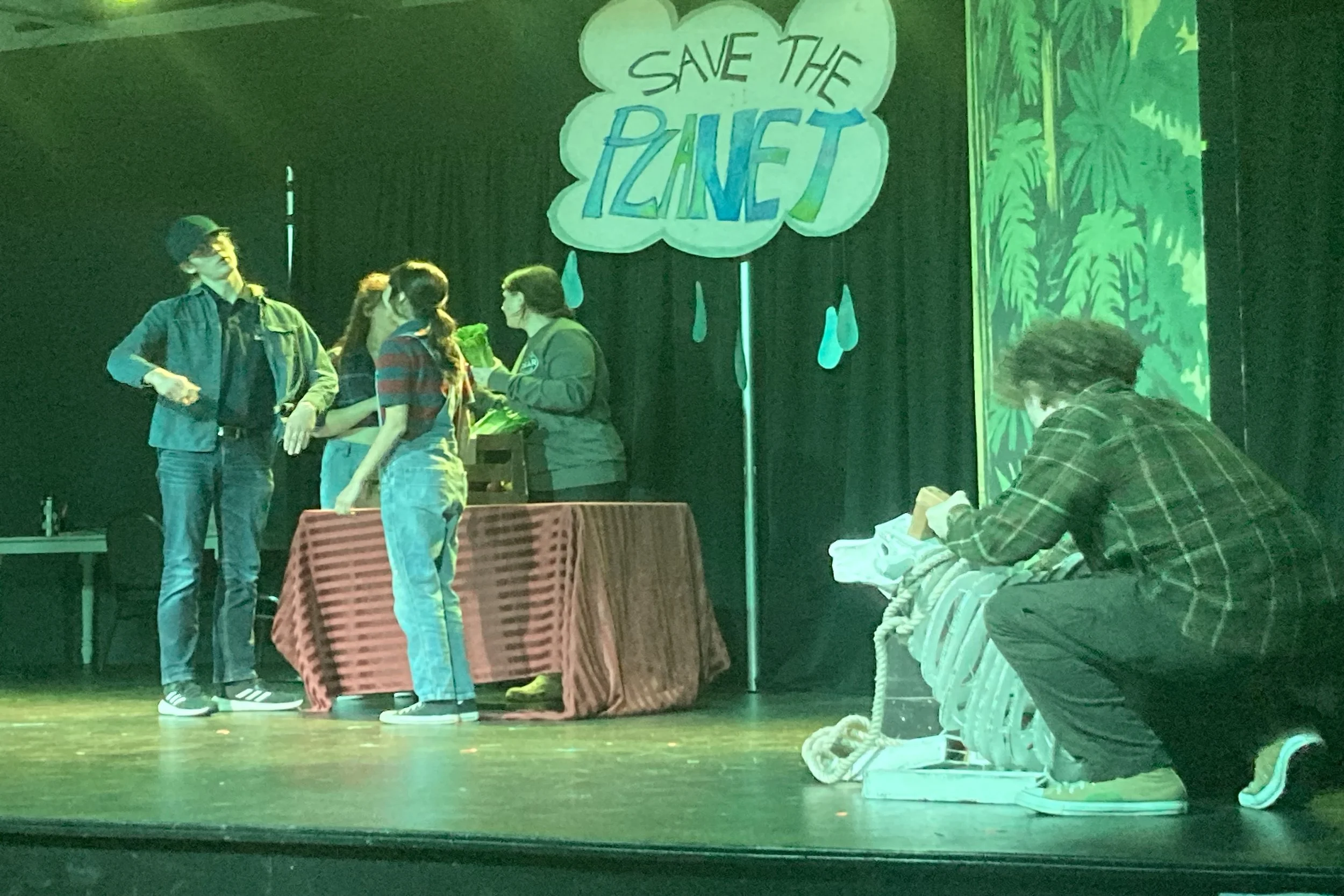
Climate ACT-ion
THEATRE AND STORYTELLING | K–12
Students bring climate stories to the stage through scenes, monologues, or collaborative performances. Drawing on literature, local experiences, or original writing, they explore different perspectives, express climate emotions, and imagine possible futures. Performances invite school and community audiences to reflect, discuss, and consider meaningful action.
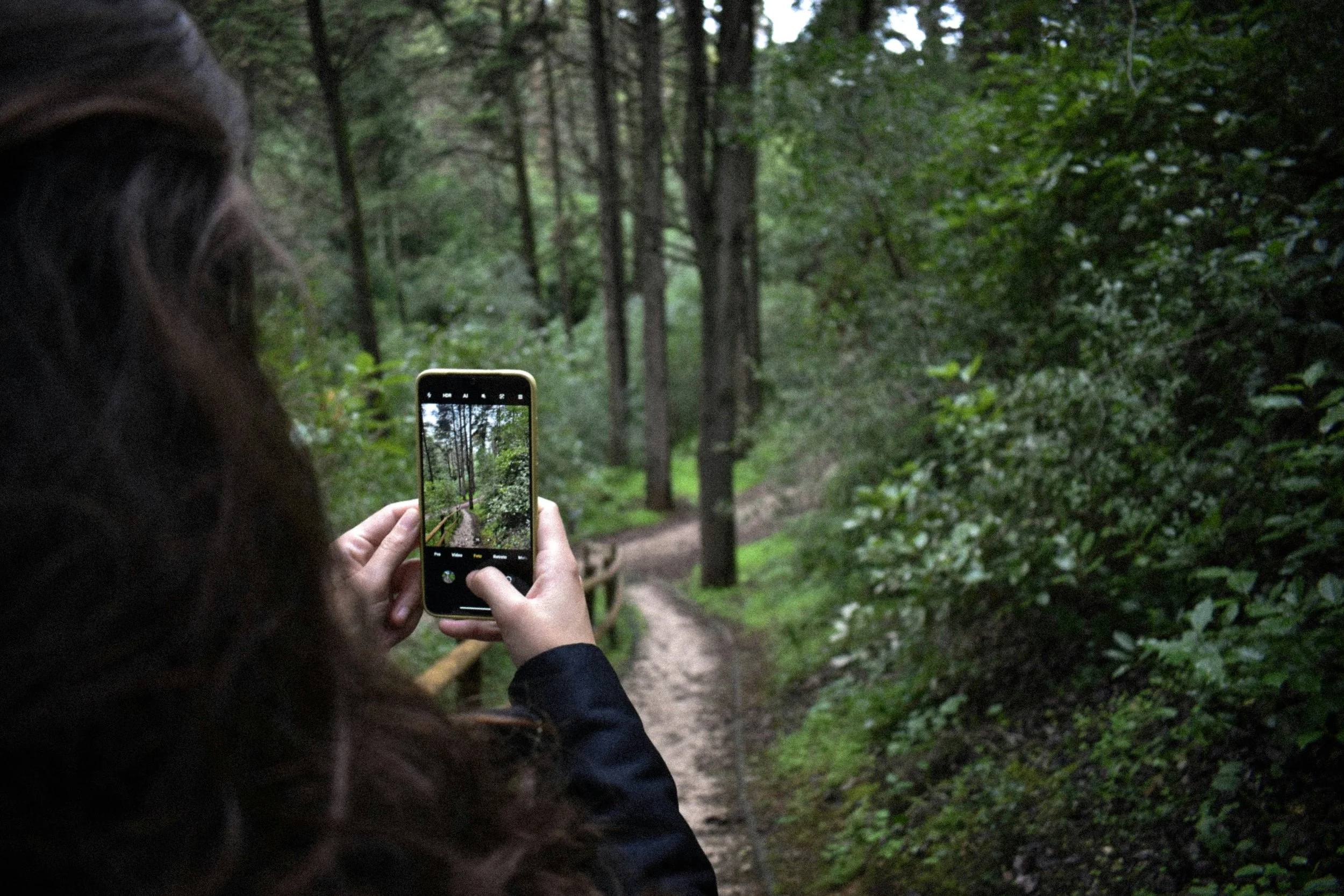
Youth Climate Voices Through Our Lens
PHOTOGRAPHY AND STORIES | GRADES 6–12
Students explore local climate experiences through photography, writing, audio, and video. They investigate questions, gather perspectives, and develop stories that communicate what matters to them and their communities. A photo exhibition, narrated photo story, or community presentation brings their learning and ideas for action to a wider audience.
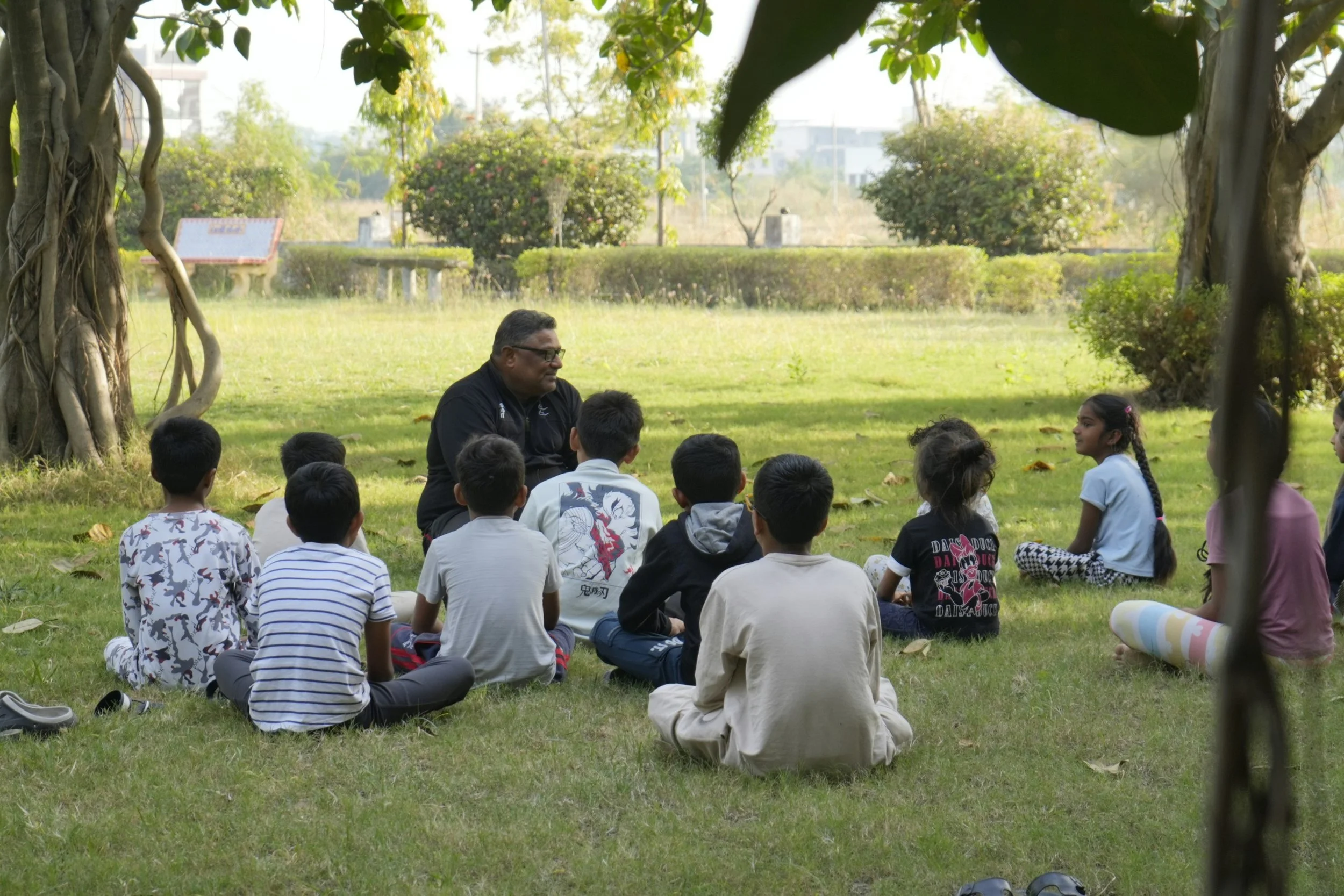
Climate Across Generations
INTERVIEWS AND COMMUNITY STORIES | GRADES 4–12
Students interview elders and community members to learn about changes they have noticed in local weather, seasons, and landscapes, the impact of these changes, and their thoughts on climate solutions. Students connect these stories with climate learning, explore different perspectives, and practice thoughtful listening and ethical storytelling. Examples for sharing work could include a class podcast, recordings linked on the school website, or a community event.
let’s explore what Climate Education can Look Like for Your Students!
We would love to partner with your school community. Together, we can build climate education that centers your priorities and prioritizes the well-being of students and staff.
Programming designed and led by Colleen Beth Redmond, PhD, whose work brings together climate literacy, storytelling, curriculum design, and more than 20 years of teaching experience from elementary through undergraduate education.