Engage
Creating space for community voices, shared possibilities, and meaningful action.
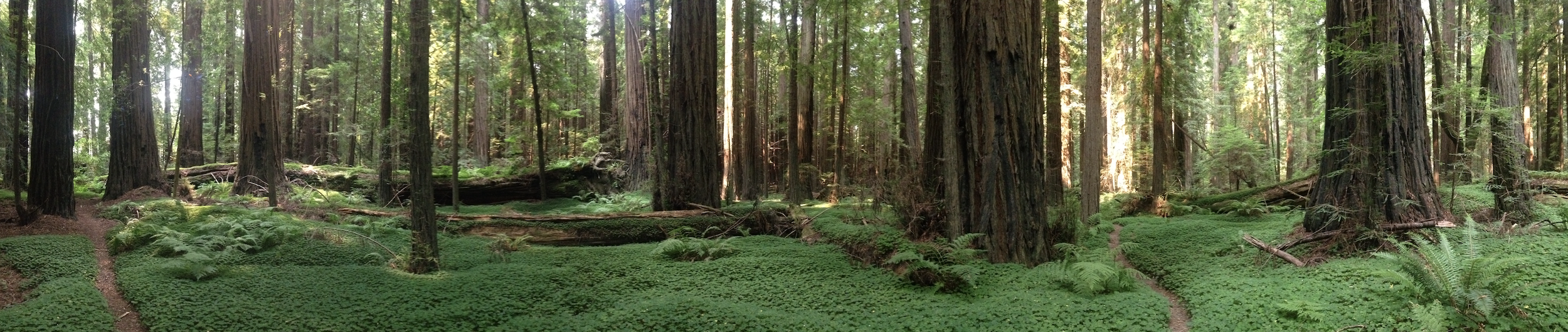
Community Connections for a Changing Climate
We partner with communities to explore environmental change through storytelling, the arts, and shared learning. Our offerings create space for diverse experiences and climate emotions while helping people imagine possibilities and shape meaningful action together.
educator and classroom learning
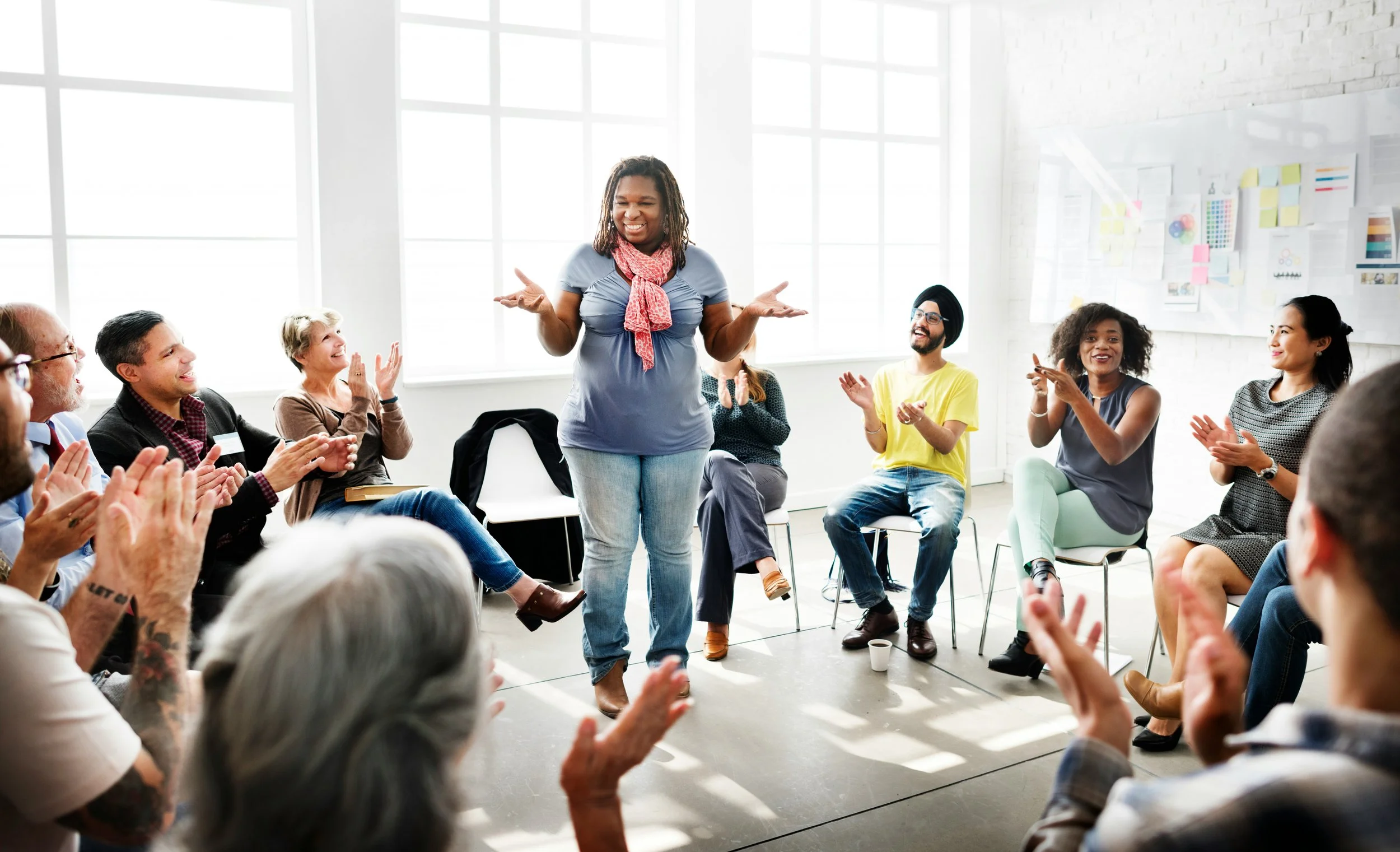
Professional Development
Helping educators teach climate change with confidence and care.
School and district speaking engagements
Teacher workshops and collaborative learning
Instructional coaching and curriculum support
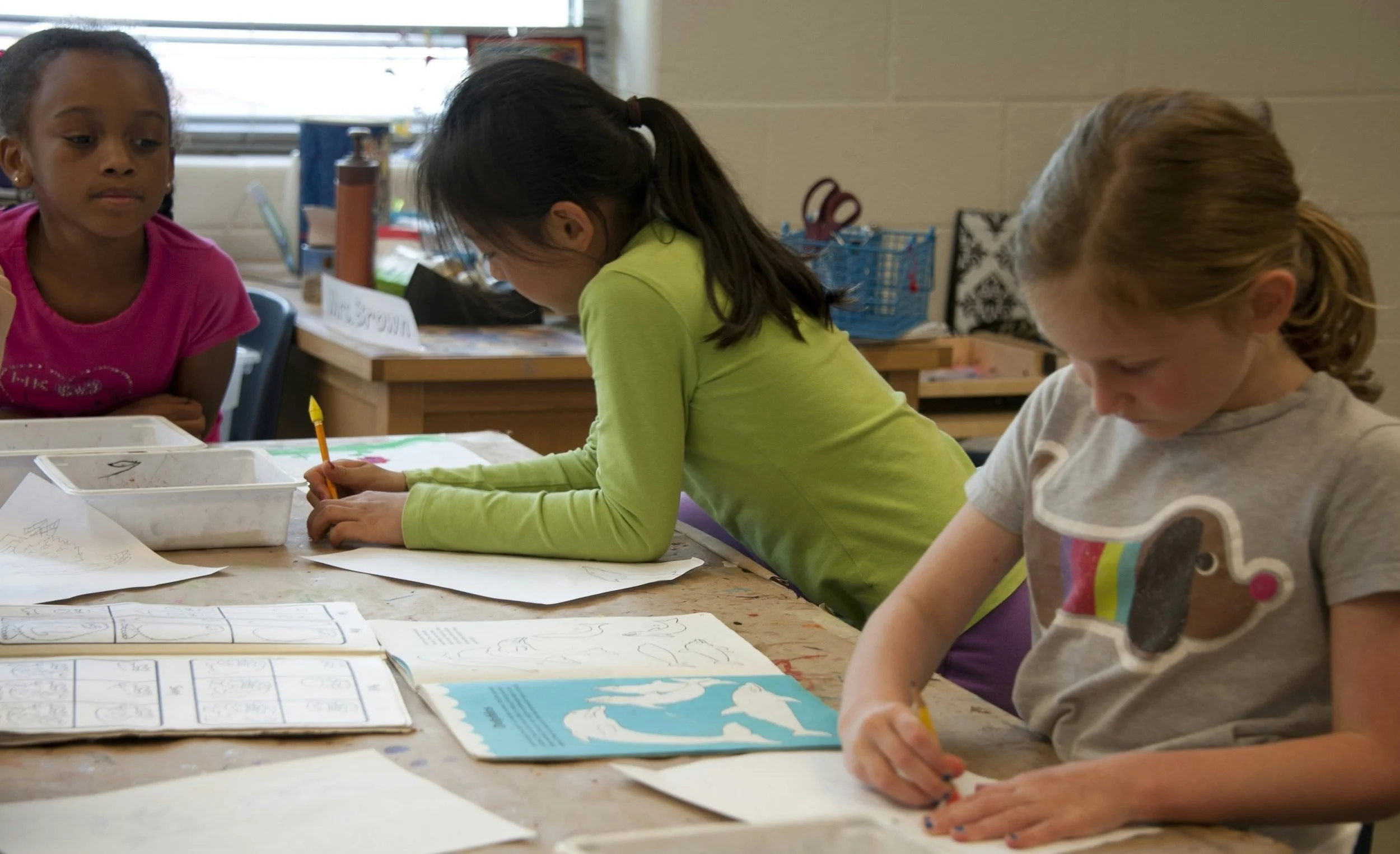
Classroom Curriculum
Connecting climate learning with students’ lives, creativity, and curiosity.
Arts-based learning and climate storytelling
Climate emotions, hope, and agency
Interdisciplinary and standards-aligned curriculum
school and community connections
School-Wide Culture and Well-Being
Build a school community grounded in connection, equity, and resilience. Connect classroom learning with school-wide values, relationships, and practices.
Environmental justice and belonging
Hope-centered social and emotional learning
Climate emotions and emotional well-being
School-wide learning and action
Intergenerational Learning
Bring students, families, and community members into the learning through shared stories, local knowledge, and collaborative projects.
Family and community learning experiences
Intergenerational storytelling and oral histories
Place-based learning and shared stewardship
Let’s explore what climate education can look like at your school.
Explore What’s Possible
While climate change is global, it’s impacts are often deeply personal. At paleBLUEdot, we believe the most meaningful climate education is designed collaboratively and grounded in the people, land, and cultures of each community.
The examples below provide starting points for imagining what we can create together. Each can be adapted for professional development, classroom curriculum, school-wide initiatives, or intergenerational learning—shaped around your community’s needs, strengths, and goals.
Contact us to learn more about creating land- and place-based learning that connects climate understanding with your hopes for the future.
Finding HOPE in Stories
LITERATURE AND REFLECTION | K–12
Use stories and storytelling to explore climate themes, hope, and agency. Practice discussion strategies and adapt graphic organizers to create and implement lessons linking story analysis, climate emotions, and meaningful action.
Connecting to Our Living World
NATURE AND CONNECTION | PK–5
Use stories, observation, and place-based activities to strengthen relationships with animals, trees, habitats, and one another. Design learning experiences that build ecological understanding, emotional vocabulary, and caring action.
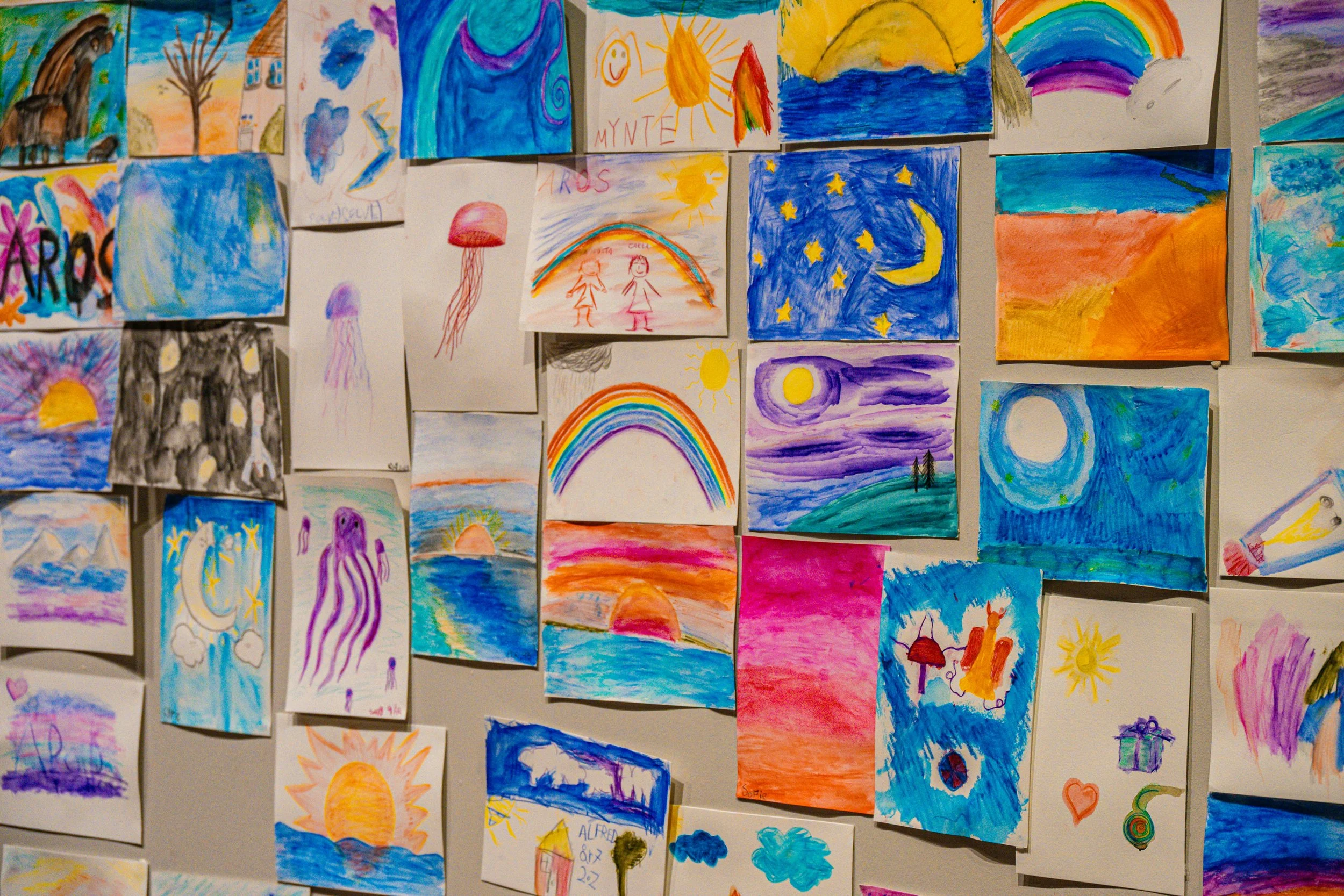
Climate ART-ivists
VISUAL ART AND EXPRESSION | K–12
Connect climate learning with visual art. Invite students to investigate an issue, explore different perspectives, and express climate emotions and hopeful futures through original artwork and artist statements. Share their creations to spark conversation and inspire meaningful action.
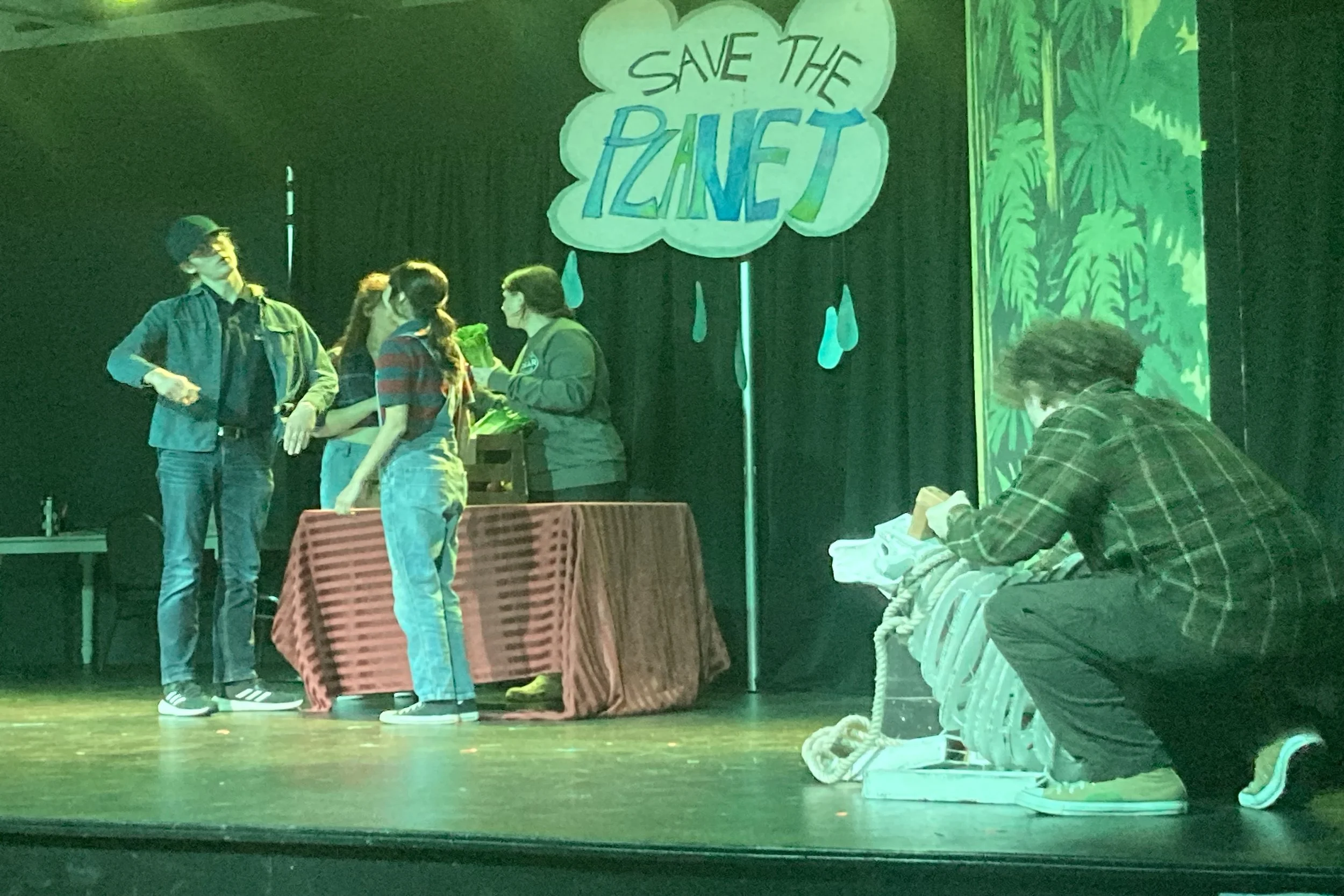
Climate ACT-ion
THEATRE AND STORYTELLING | K–12
Bring climate stories to the stage. Invite students to explore an issue, consider different perspectives, and collaborate to adapt a story or create an original performance. Use characters, dialogue, and movement to express climate emotions, imagine hopeful futures, and invite audiences into conversations about change.
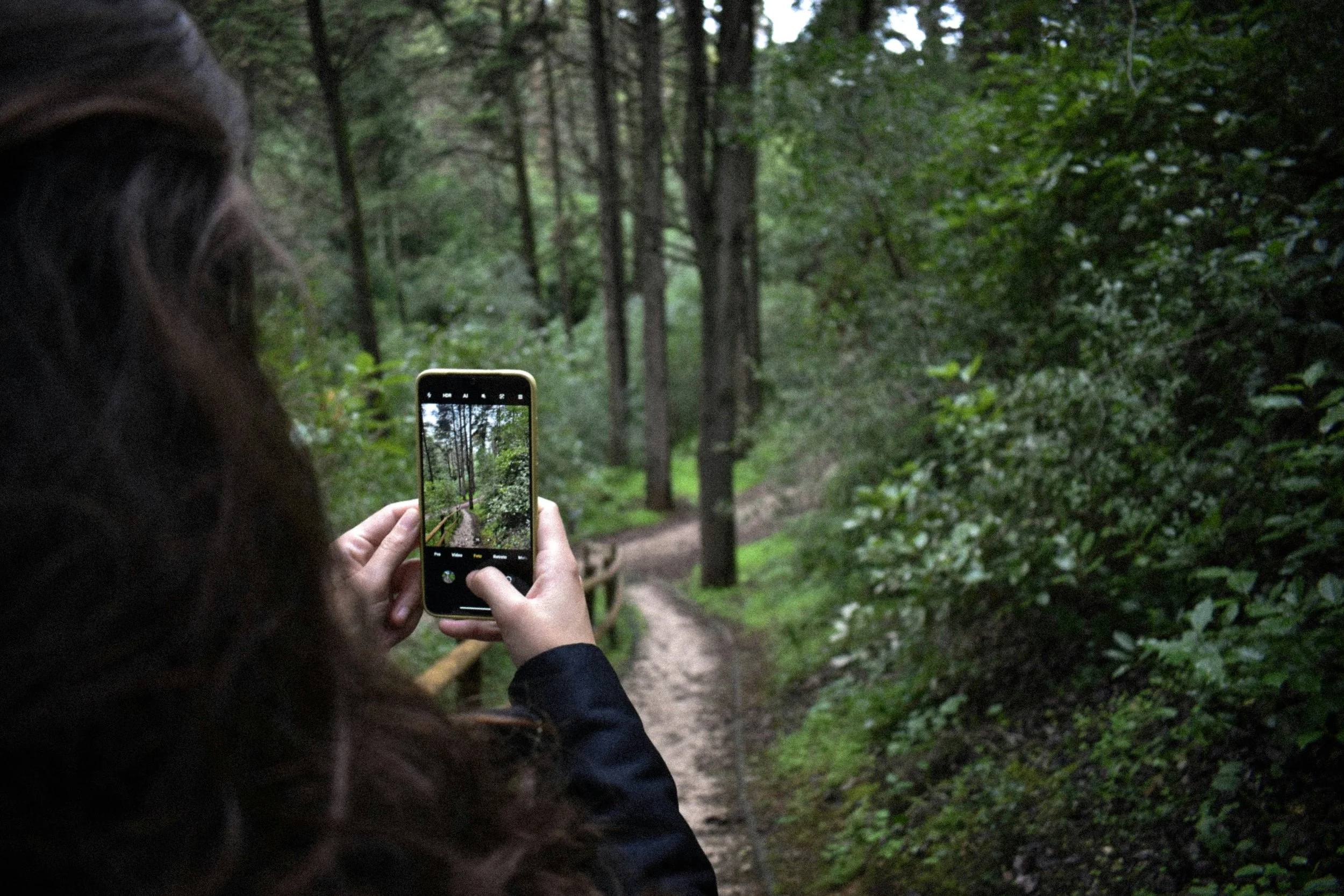
Youth Climate Voices Through Our Lens
PHOTOGRAPHY AND STORIES | GRADES 6–12
Use photography and multimodal storytelling to investigate local climate experiences and community priorities. Plan student projects that combine student and community concerns, inquiry, reflection, and authentic opportunities to share learning.

Climate Literacy Curriculum and Implementation Support
EDUCATOR SUPPORT | K–12
Collaborate to integrate climate literacy into existing instructional units and school priorities. Identify learning goals, develop lessons and assessments, implement activities, and use student work and reflection to refine instruction.