
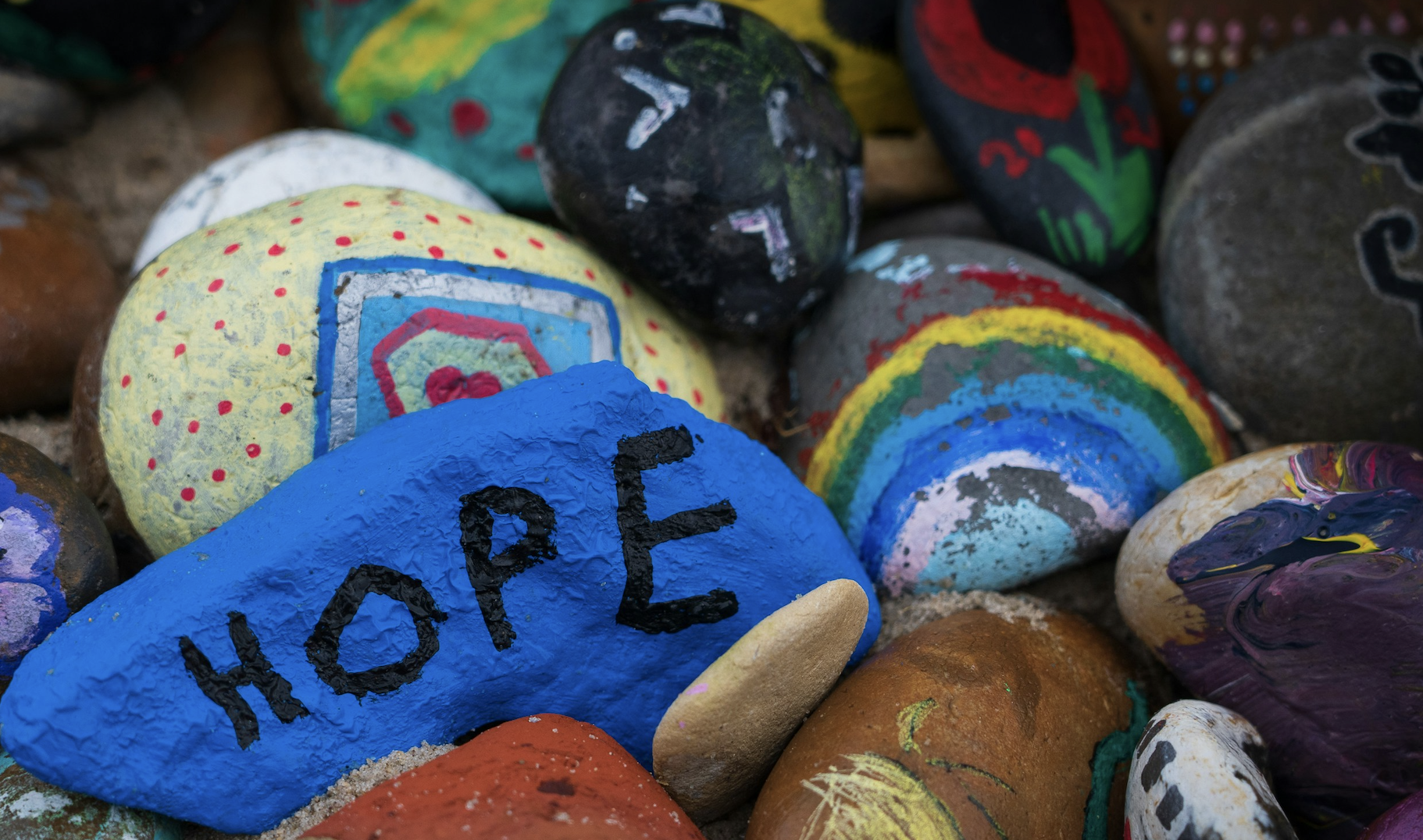
Every generation inherits its challenges, but none has faced a global climate crisis. Until now.
Today's young people are growing up with daily reminders of rising temperatures, biodiversity loss, political uncertainty, and rapid social change. They understand these realities perhaps better than many adults realize.
Young people are not simply looking for more information about climate change. They’re looking for ways to imagine a hopeful tomorrow worth creating.
Hope is more than Wishful Thinking
When people hear the word hope, they often think of wishful thinking or blind optimism. But decades of research suggest something more.
Psychologist C. R. Snyder, whose work transformed the study of hope, defined hope as an active intent rather than a vague emotion. According to Snyder’s hope theory, hope consists of two essential elements:
Pathways—being able to identify realistic paths toward desired goals.
Agency—taking steps to actively work toward change.
Research has consistently linked higher levels of hope with greater resilience, academic achievement, psychological well-being, persistence through setbacks, and problem-solving ability. Hopeful people are more likely to set purposeful goals, adapt when obstacles arise, and continue working toward solutions even when progress is slow.
In other words, hopeful people are not those who simply wish for everything to turn out fine. They are people who can imagine a better future and search out meaningful ways to make it happen.
This distinction is especially important when talking with young people about climate change.
Climate change presents enormous challenges, but it also presents countless opportunities for creativity, innovation, collaboration, and collective action. Hope helps young people recognize these possibilities without minimizing the seriousness of the challenges.
Building hope
One of Snyder's most important contributions was demonstrating that hope does not simply show up for some people and not others. It can be taught.
Not by avoiding difficult conversations, but by creating space for hope alongside grief, and by helping young people understand that meaningful change has always depended on those who could imagine possibilities before they existed.
Stories shape what we believe is possible
While science helps us understand climate change, stories help us understand ourselves within it.
Climate educator Elin Kelsey argues that many public conversations about climate change unintentionally overwhelm people by focusing almost exclusively on crisis and catastrophe. While these realities cannot be ignored, stories of innovation, restoration, cooperation, and community action are equally important because they expand our sense of what is possible.
Hope, Kelsey reminds us, grows when people can see examples of change already happening.
Stories of communities restoring ecosystems.
Young people leading local initiatives.
Cities reducing emissions.
Neighbors caring for one another during extreme weather.
These stories do not deny the challenges. They demonstrate that solutions are already emerging. For young people, these examples reinforce a powerful message: "People like me can help create what comes next."
Communities help hope grow
Young people do not develop hope in isolation. They develop it within families, schools, neighborhoods, and communities that demonstrate what collective action looks like.
When schools invite students to investigate local climate issues…
When communities create Climate Action Plans with diverse opportunities for public participation…
When adults listen to youth perspectives…
When students tell their own climate stories…
Hope becomes tangible. Young people begin to see that the future is not something that simply happens to them. It is something they can help shape.
The future is still being written
Climate change asks difficult questions of all of us. The dilemma is not whether young people are ready to face those questions. The question is whether we are giving them the tools to respond.
Hope creates motivation, pathways, and agency to pursue meaningful goals, and create narratives of possibility about the challenges before us while helping young people recognize a powerful truth:
Their future has not yet been decided. And every hopeful act helps write the story of what comes next.
For more information on C.R. Snyder’s Hope Theory:
Snyder, C. R. (2002). Hope theory: Rainbows in the mind. Psychological Inquiry, 13(4),
249–275. https://doi.org/10.1207/s15327965pli1304_01
YouTube article explanation from The Solution Focused Universe