
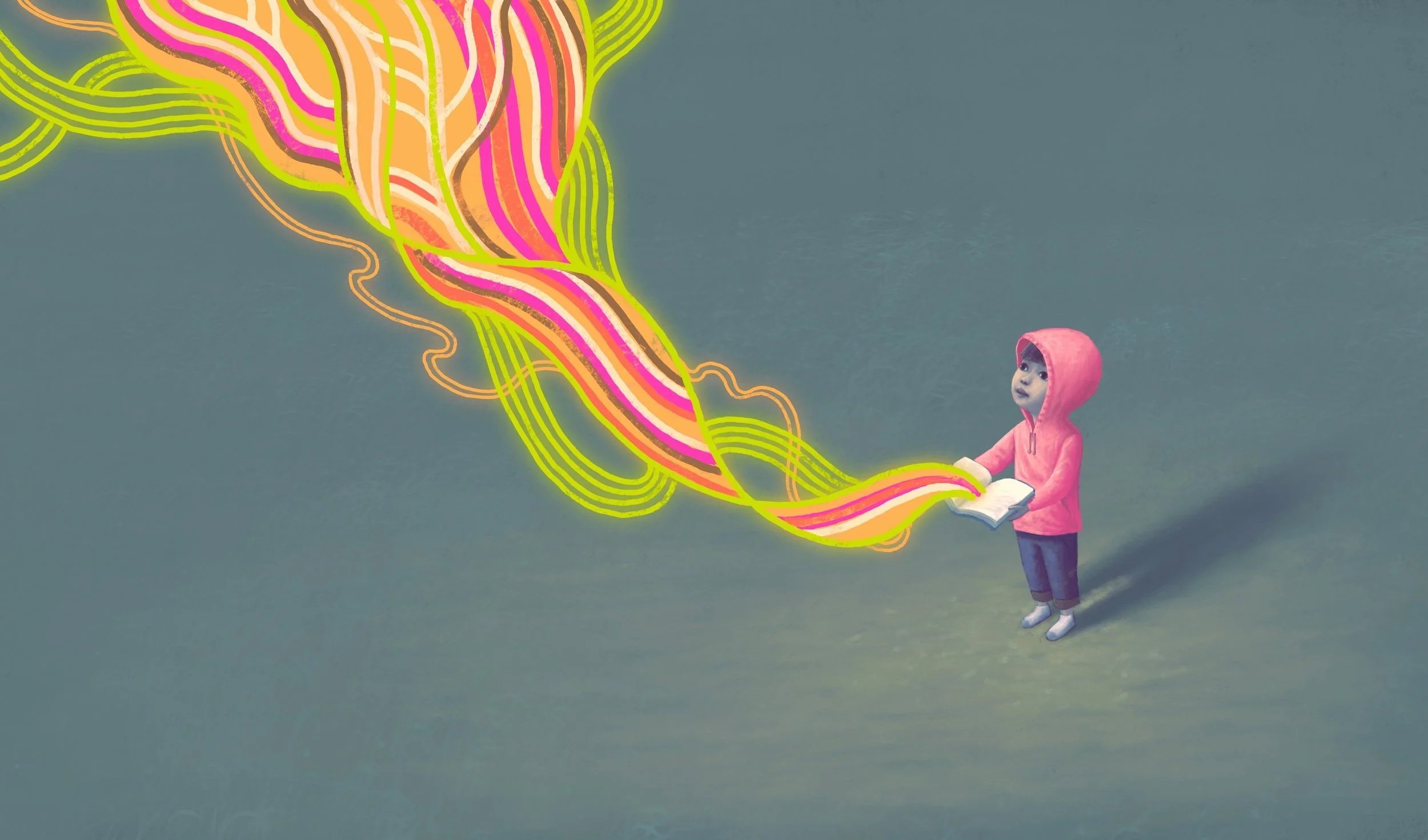
Kids don’t need adults to have all the answers about climate change—but they do need us to listen.
Young people see news about wildfires, floods, and disappearing species and are worried about what these changes mean for their future. Research shows that many want to talk about their feelings and are looking for trusted adults who are willing and ready to listen. But, for many of us, it’s hard to know how to even begin these conversations.
This is where stories can help.
Stories offer an accessible way to explore complicated ideas and emotions by putting the focus on the characters’ experiences while giving young people space to sort out their own feelings.
Climate and environmental stories can serve as launch pads for conversations to reflect on both the story and our own experiences and emotions. This makes stories gentle yet powerful entry points into supporting young people growing up in a climate crisis.
Keep reading to learn more about the whys and hows of using stories to start climate conversations, and check out some story ideas and resources for helping families and educators listen, learn, and take action together.
Why begin with stories?
Stories allow us to encounter different perspectives, ask questions, and imagine possibilities.
Stories can help:
Find words for difficult emotions
Step into experiences beyond our own
Explore our relationships with other people and the more-than-human world
Recognize examples of cooperation, resilience, and care
Imagine different—and more hopeful—futures
Most importantly, stories create opportunities to listen. They shift climate conversations away from adults delivering information and offer the chance to learn together.
Making space for stories in climate conversations
A meaningful conversation about climate change doesn’t need a detailed lesson plan. It can begin with a picture or a character, a moment of curiosity or a simple question.
When exploring climate stories with young people:
Listen before explaining. Give young people time to share what they notice, think, and feel.
Welcome different emotions. Avoid rushing to replace worry or grief with reassurance. Heavy feelings need to be honored and can exist together with hope.
Explore questions together. It is okay to say, “I don’t know. Let’s find out.”
Connect stories to everyday life. Ask whether the story reminds young people of a place, experience, concern, or source of hope in their own lives.
Make room for possibility. Discuss what changed in the story, who helped, and what other options might be possible.
Invite action without placing the burden on children. Focus on age-appropriate actions that families, schools, and communities can do together.
Getting Ready
Before jumping into a climate story, it’s helpful to set the stage by finding out what your audience already knows about the climate crisis. You can use this time to clear up any misunderstandings, acknowledge fears and worries, share factual knowledge, and reassure that you are in this together.
Consider the following questions before starting your story:
We’re going to be reading/watching/listening to a story about how climate change is impacting our world. Have you heard about the climate crisis before? What do you know about it?
What kind of thoughts come up when you hear the words climate change? What are you worried about? What gives you hope?
I know climate change can feel scary, but communities all over the world are looking for ways to make things better. How do you think kids can help? Let’s explore our story to learn more.
Stories for starting climate conversations
There is no single “right” story for beginning a climate conversation. Factoring in a young person’s age, interests, experiences, and questions will help find the best fit for you.
The titles listed below respresent a variety of story types to get you started. These are only a small sampling of the wide range of kids’ climate literature available today.
Feel free to adapt the ideas to fit your family, classroom, or community, and let each story become an invitation to listen, learn, and imagine.
Picturebooks and novels:
Picturebooks can introduce complex environmental topics through kid-friendly language, illustrations, and characters.
Novels give older readers more time to explore how people and communities respond to change. Here are a few examples:
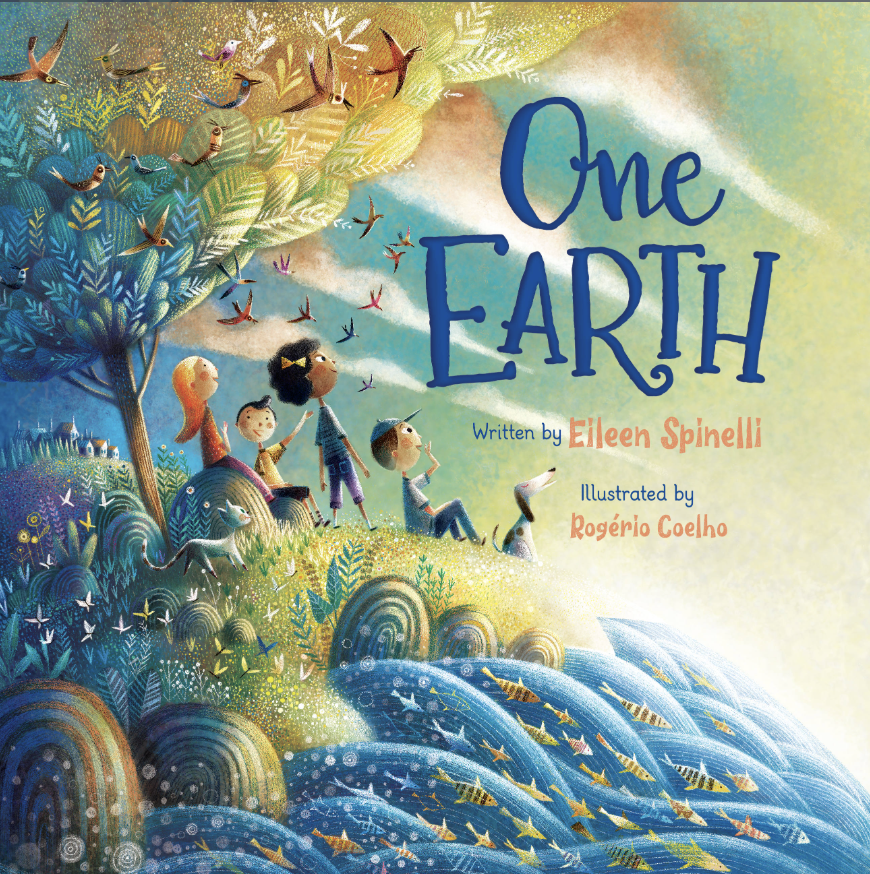
One Earth by Eileen Spinelli
Earth is the star of this counting picture book that inspires young readers to become environmental stewards. Verses count from one to ten, highlighting wonders of nature before counting backward to share simple ways children can help protect the planet, including reducing waste, reusing materials, and caring for those around us.
Ages 4-8
Published by WorthyKids
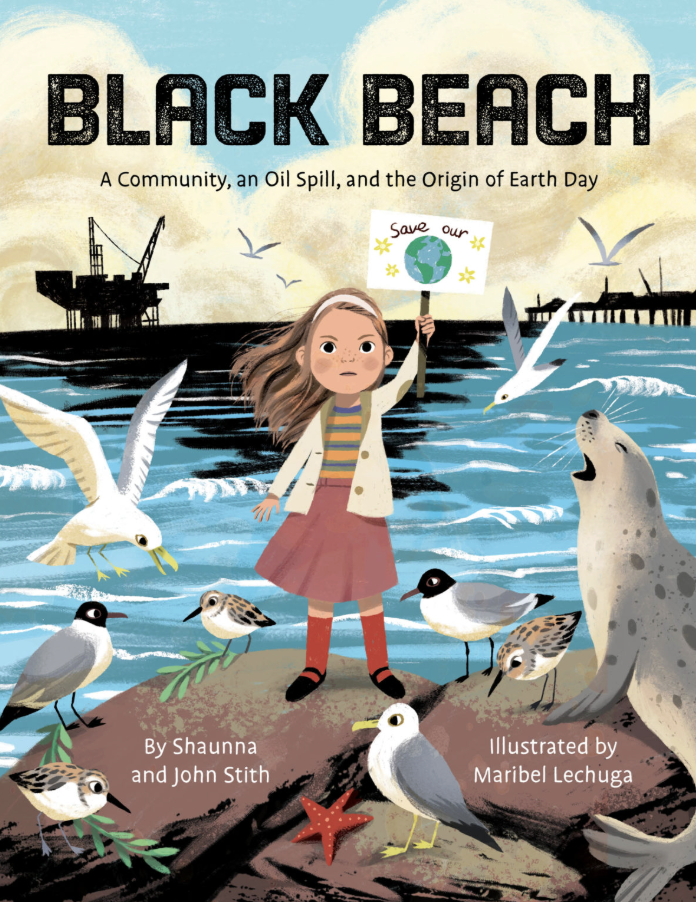
Black Beach: A Community, an Oil Spill, and the Origin of Earth Day by Shaunna and John Stith
Inspired by the events that sparked the first Earth Day, Black Beach introduces readers to Sam, a young girl living in Santa Barbara during the 1969 Union Oil spill. Through Sam's eyes, readers witness both the heartbreak of environmental disaster and the hope that grows when communities come together to restore and protect the places they love.
Ages 6-10
Published by little bee books
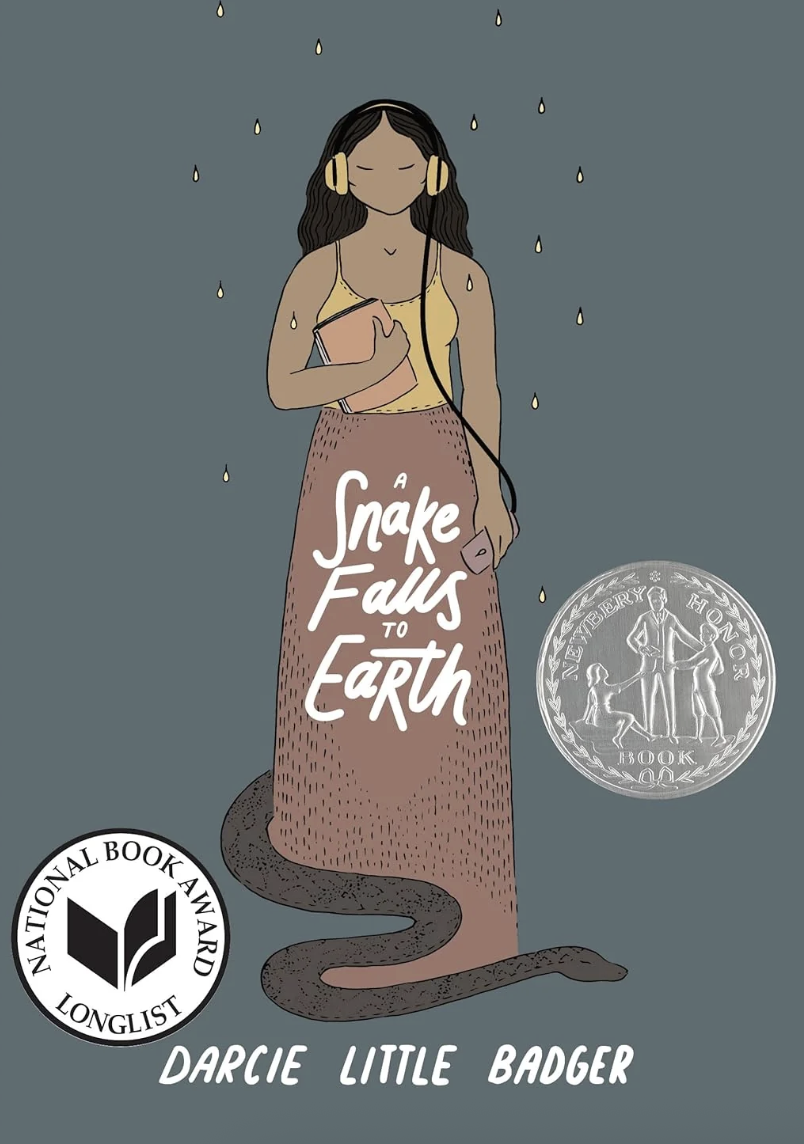
A Snake Falls to Earth by Darcie Little Badger
In this award-winning middle grade/young adult novel, Darcie Little Badger brings together Indigenous storytelling, fantasy, and contemporary life through the parallel journeys of Nina, a Lipan Apache teenager living in Texas, and Oli, a young cottonmouth snake spirit from the Reflecting World. When a mysterious illness begins threatening Oli's best friend, his search for answers unexpectedly intersects with Nina's life. Together, they embark on a journey exploring friendship, family, identity, and the deep connections between people, stories, and more-than-human world. The novel offers a compelling starting point for conversations about climate, relationships, and hope.
Ages 10+
Published by Levine Querido
Here are some more questions to try out when starting climate conversations with picturebooks and novels. They also work great with the other story ideas below.
What part of this story is sticking with you? What questions do you have?
Communities work together to help each other. Who was part of this story’s community?
When did the characters start noticing something was wrong and needed to change?
Was everything always easy for the characters? Why do you think they didn’t give up?
How did the characters feel when something they cared about was threatened? What did they do?
When did you notice the characters were worried, sad, or scared? When did they show courage, cooperation, or hope?
Climate change can be scary for us, too. And, like (character/s) in the story, we can help each other. Let’s think of something we can do to help the Earth. (scroll down for resources)
Film: The Wild Robot
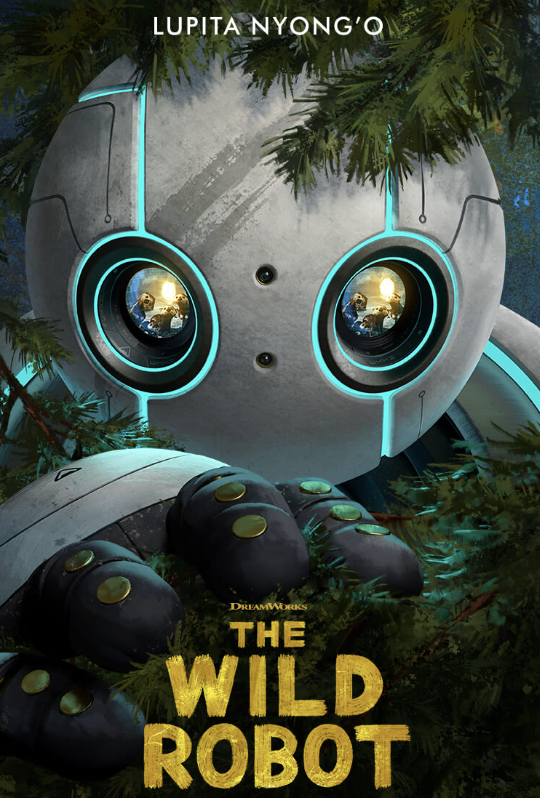
After washing ashore on a remote island, a robot programmed to solve problems finds herself learning a very different way of living—one built on observation, cooperation, and care for other living beings. As Roz becomes part of the island community, The Wild Robot explores themes of adaptation, resilience, interconnectedness, and the importance of working with nature rather than trying to control it. Both the movie version and Peter Brown’s original best-selling novel make excellent springboards for conversations about living well with one another and with the Earth.
Ages 6+
Produced by DreamWorks Animation Distributed by Universal Pictures
Conversation starters for The Wild Robot:
How does Roz’s relationship with the island change?
What does she learn from the animals?
How do the characters depend on one another?
What do you think the difference is between controlling nature and living as part of it?
What might this story teach us about possibilities for responding to climate change?
Podcast: Earth Rangers
Created by Earth Rangers in partnership with GZM
The Earth Rangers Podcast introduces children to wildlife, ecosystems, conservation efforts, and the people working to protect our planet. Its stories encourage children to ask questions, appreciate biodiversity, and understand themselves as part of a larger living community. The companion Earth Rangers website extends the experience through articles, videos, games, and hands-on conservation activities. Together, the podcast and website can help move a conversation from learning about an environmental issue to considering how children might participate in caring for the Earth.
Ages 6+
Conversation starters for Earth Rangers:
What animal, habitat, or conservation effort interested you most?
What surprised you?
Why does protecting biodiversity matter?
What is one action we could take at home or in our community?
Stories Through Art: Honoring Trees
Stories are not limited to words. Photographs, paintings, sculptures, textiles, and prints can also communicate experiences, relationships, and ideas.
Honoring Trees, part of the Honoring the Future initiative, is an online exhibition featuring artwork about trees, climate, and our connections to the more-than-human world. The accompanying educational guide explores topics including tree communication, Indigenous knowledge, climate science, and art-making.
Looking closely at art can help young people slow down, notice details, and form their own ideas before hearing an adult’s explanation.
All Ages
Honoring Trees conversation starters:
What do you notice first?
What story might this artwork be telling?
How does it make you feel?
What relationship between people, trees, and the Earth do you see?
If you created artwork about a place you care about, what would you make?
Young people can extend the conversation by photographing, drawing, painting, or writing about a tree or place that matters to them.
Resources for exploring climate ideas and emotions
Stories can also be paired with interactive tools that help young people investigate their questions and name what they are feeling.
Unicef’s Climate Action for Families
Unicef has put together a helpful guide full of ideas for helping kids protect the planet. Studies have shown young people are more hopeful when they have opportunities to become involved in solutions and take action toward a better future.
NASA’s Climate Kids
NASA’s Climate Kids offers games, videos, articles, and activities that introduce children to climate science and our changing planet. This site can be especially useful when answering more technical questions about climate change.
Climate Emotions Wheel
It can be hard for young people to find words that describe how they’re feeling. The Climate Emotions Wheel from Climate Mental Health Network can help identify climate emotions. While naming an emotion does not make it disappear, it can make the feeling easier to talk about and remind young people they’re not alone.
ClimateLit.org
Developed by the University of Minnesota’s Center for Climate Literacy, ClimateLit.org offers an extensive literature database, climate glossary, and resource blog. This user-friendly resource can help families and educators find texts that match particular ages, interests, and climate topics.
One story at a time
Climate change is a large and complex subject. We don’t have to address all of it in one conversation, and we don’t need to begin with perfect answers.
We can begin with a story.
Each book, film, podcast, piece of art, or personal experience can become an invitation to pause and pay attention: to the world around us, to perspectives beyond our own, and to what young people are thinking and feeling—so that we can create our own stories of living well with the Earth.
Interested in learning more about starting climate conversations in your school or community? Contact me at credmond@palebluedot.llc