

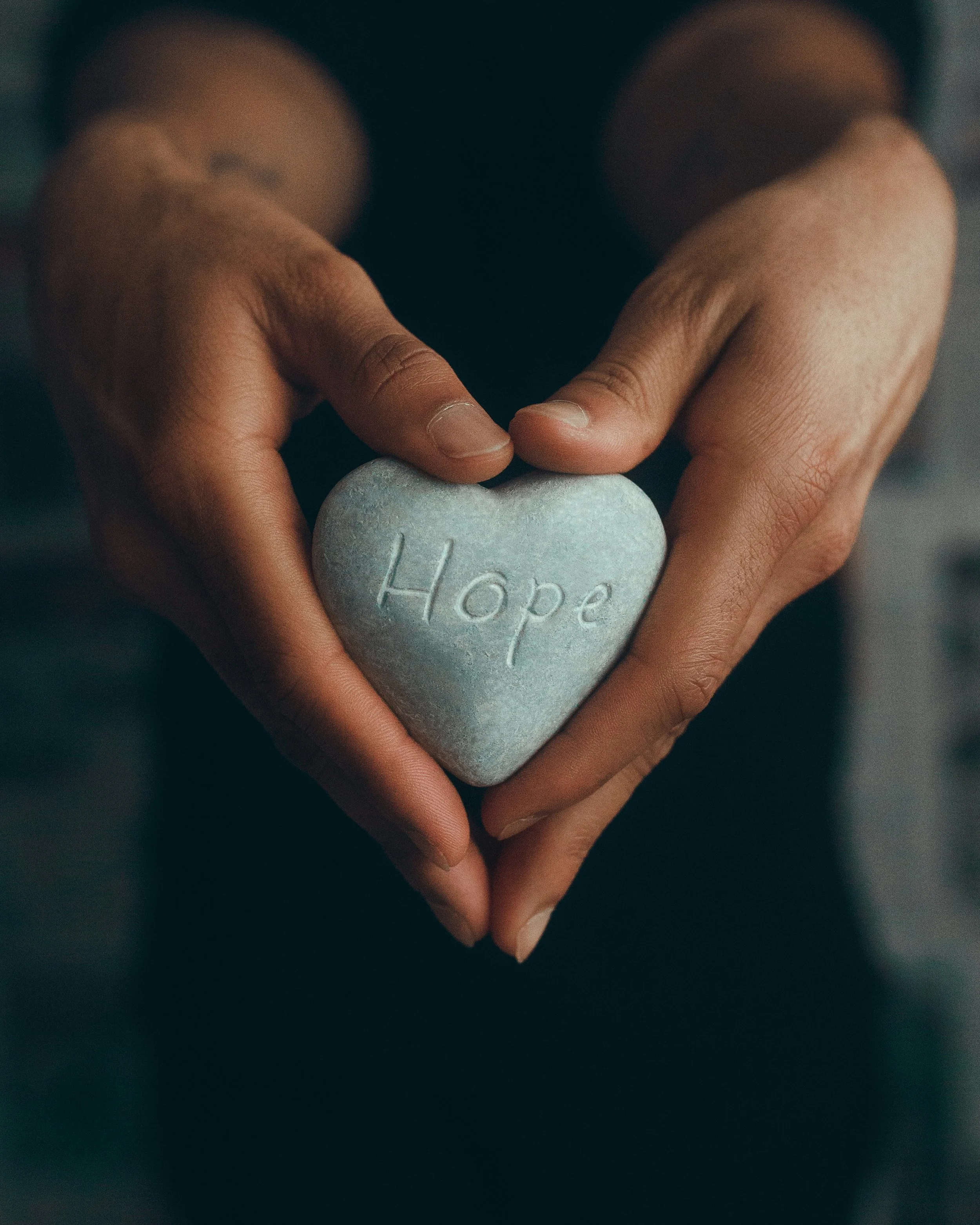
Some say hope is dangerous, or maybe worse, an illusion. Francis Bacon called hope “a good breakfast, but a bad supper.” Fine to start off with but not enough to see you through the day. All respect to Mr. Bacon, but I need to disagree.
If, as Shakespeare writes, our lives are played out on the world’s stage, then hope occupies a starring role. It is a key cast member throughout the twists and turns of our ages, and exists within each of us whether we recognize it or not. That’s a good thing because life is often a struggle, and hope is a powerful force for change.
No matter what we start out expecting, a lot can happen between the beginning and end of anything—be it a meal, a day, or a lifetime. Linda Ellis writes of this space as The Dash—all the time, choices, feelings, and memories that unfurl between a first moment and the last. Sometimes, like Ellis writes, that dash connects the beginning of a life to its end.
It’s important to remember, too, that each of us treads multiple dashes every day. They’re there between wedding vows and divorce papers, the first chemo treatment and the news you’re cancer free. A dash connects the first day of school to the last, a first word to a graduation speech, and the spring to the fall and back again—and again.
But dashes also find themselves between the drip of a coffeemaker and the last sip, the starting page of a book and The End. The first note of a song, the first step on a trail, the first bud on a lilac, and all that follows after. And, not to forget Mr. Bacon, each year there are 365 dashes between breakfast and supper.
Unfortunately, to this day, hope still often gets a bad rap. Hard to define, misunderstood, sometimes seen as the lazy way out: sitting back and hoping things get better instead of doing something about it.
But, what if the hoping was the doing?