For many public entities, climate implementation is no longer mainly about deciding whether the work matters. It is about organizing the staff time, funding, partnerships, data, and public trust needed to act while conditions keep changing.
Why This Matters Now
Resilience funding has become one of the most important and least forgiving parts of local climate implementation. FEMA’s Building Resilient Infrastructure and Communities program is again drawing attention after the publication of a Fiscal Years 2024-25 funding opportunity, while communities continue to face heavier rainfall, extreme heat, flooding, wildfire smoke, drought, and infrastructure stress. For local governments, the lesson is clear: the time to prepare a strong project is before a notice of funding opportunity lands on someone’s desk.
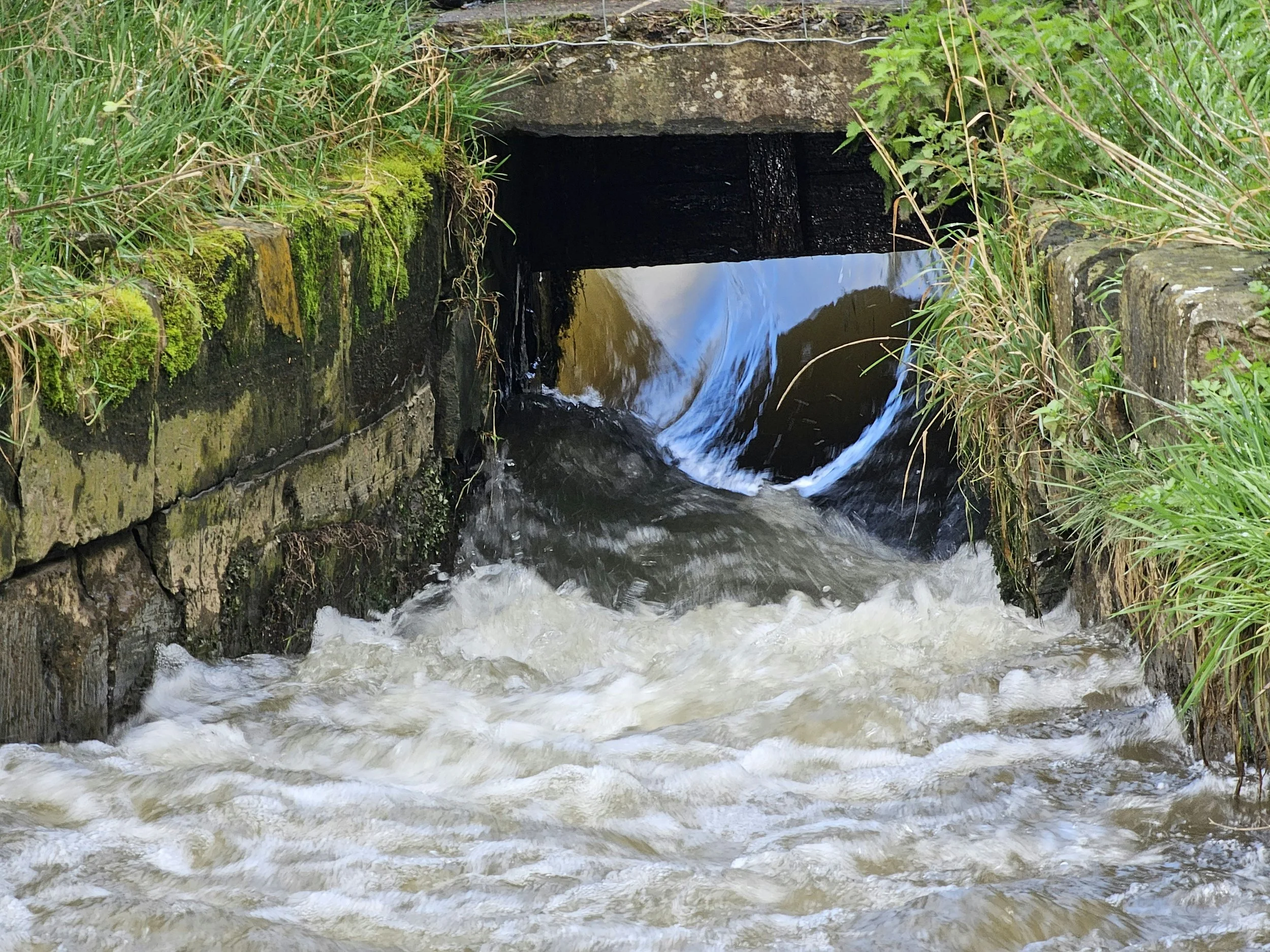
Many cities, counties, watershed districts, and regional planning organizations already know where climate risk is concentrated. They have flood-prone roads, undersized culverts, vulnerable public facilities, neighborhoods with compounding heat and flooding exposure, and emergency operations concerns. The challenge is that a known risk is not the same thing as a fundable project. Grant programs usually require a tight scope, a defensible problem statement, cost information, benefit-cost reasoning, community benefit, match planning, and a realistic implementation pathway.
What Grant-Ready Resilience Looks Like
A grant-ready resilience project starts with a clear hazard and a clear public consequence. That may sound obvious, but many project ideas stay too general: reduce flooding, improve drainage, protect vulnerable residents, or strengthen infrastructure. Competitive applications need the next level of detail: which assets are affected, who depends on them, what service is disrupted, how often the problem occurs, what climate projections suggest, and how the proposed intervention reduces risk.
The strongest local project pipelines also connect engineering, planning, emergency management, public works, finance, and community engagement. A culvert replacement may be a public works project, but the reason it matters may involve emergency access, school routes, evacuation, housing stability, downstream water quality, or protection of a community facility. That broader story should not be invented at the application stage. It should be built through vulnerability assessment, capital planning, and engagement long before the deadline.
Local governments can use a simple readiness ladder. First, identify candidate projects from climate vulnerability assessments, climate action plans, sustainability plans, hazard mitigation plans, watershed plans, capital improvement plans, and community feedback. Second, screen them for public benefit, feasibility, cost range, equity implications, land control, partnership needs, and likely funding fit. Third, develop short project sheets that summarize the problem, proposed solution, estimated cost, responsible partners, readiness gaps, and next action. Fourth, update those sheets regularly so staff do not start from scratch when a funding window opens.
Implementation Takeaways
Treat climate vulnerability findings as a project-development input, not as the final product. Maps and risk rankings are useful only if they help staff decide what to scope, sequence, fund, and build.
Build a small portfolio instead of betting on one perfect project. A community may need one near-term construction project, one planning or design project, one nature-based solution, and one partnership project that can mature over time.
Document community benefit early. For resilience projects, equity is not a paragraph added at the end. It should shape project location, engagement, design criteria, access, and implementation partnerships.
Keep match strategy visible. Even when a grant is generous, local staff need to know which funds, in-kind contributions, partner commitments, or phased investments may support the work.
Use after-action information. Flood response, heat emergencies, road closures, and infrastructure failures can all provide evidence for why a project matters now.
How Communities Can Start
A useful first step is a half-day internal project pipeline workshop. Bring together sustainability, planning, public works, emergency management, finance, parks, watershed, and administrative staff. Review the top climate hazards, list known problem areas, identify existing plans where projects are already named, and sort the list into categories: ready to apply, needs design, needs engagement, needs partner agreement, needs data, or not yet defined.
The next step is to create a one-page project brief for each serious candidate. The brief should be plain-language enough for elected officials and community partners, but specific enough to guide technical work. Include the asset or service at risk, affected populations, proposed intervention, climate or hazard evidence, implementation lead, rough cost, possible funding sources, and unresolved questions. That small discipline can save weeks later.
paleBLUEdot helps communities identify the right grant opportunities and connect climate risk, public engagement, implementation strategy, and decision-ready documentation. The goal is not to chase every grant, but to help public entities determine which projects are worth advancing, why they matter, and what it will take to move from concern to construction, policy, or program delivery.
If your community is exploring funding opportunities for sustainability or climate action work, we’d be glad to help with grant research, strategy, or writing support. Click below to let us know how we can help you in your funding readiness.
References
Building Resilient Infrastructure and Communities: https://www.fema.gov/grants/mitigation/learn/building-resilient-infrastructure-communities
Fiscal Year 2024 & 2025 Building Resilient Infrastructure and Communities: https://simpler.grants.gov/opportunity/bccd8cb3-af60-4773-a5e5-f5a228991289
Building Resilient Infrastructure and Communities Program: https://fundingnaturebasedsolutions.nwf.org/programs/building-resilient-infrastructure-and-communities-bric-program/